
Collecting Native Seeds
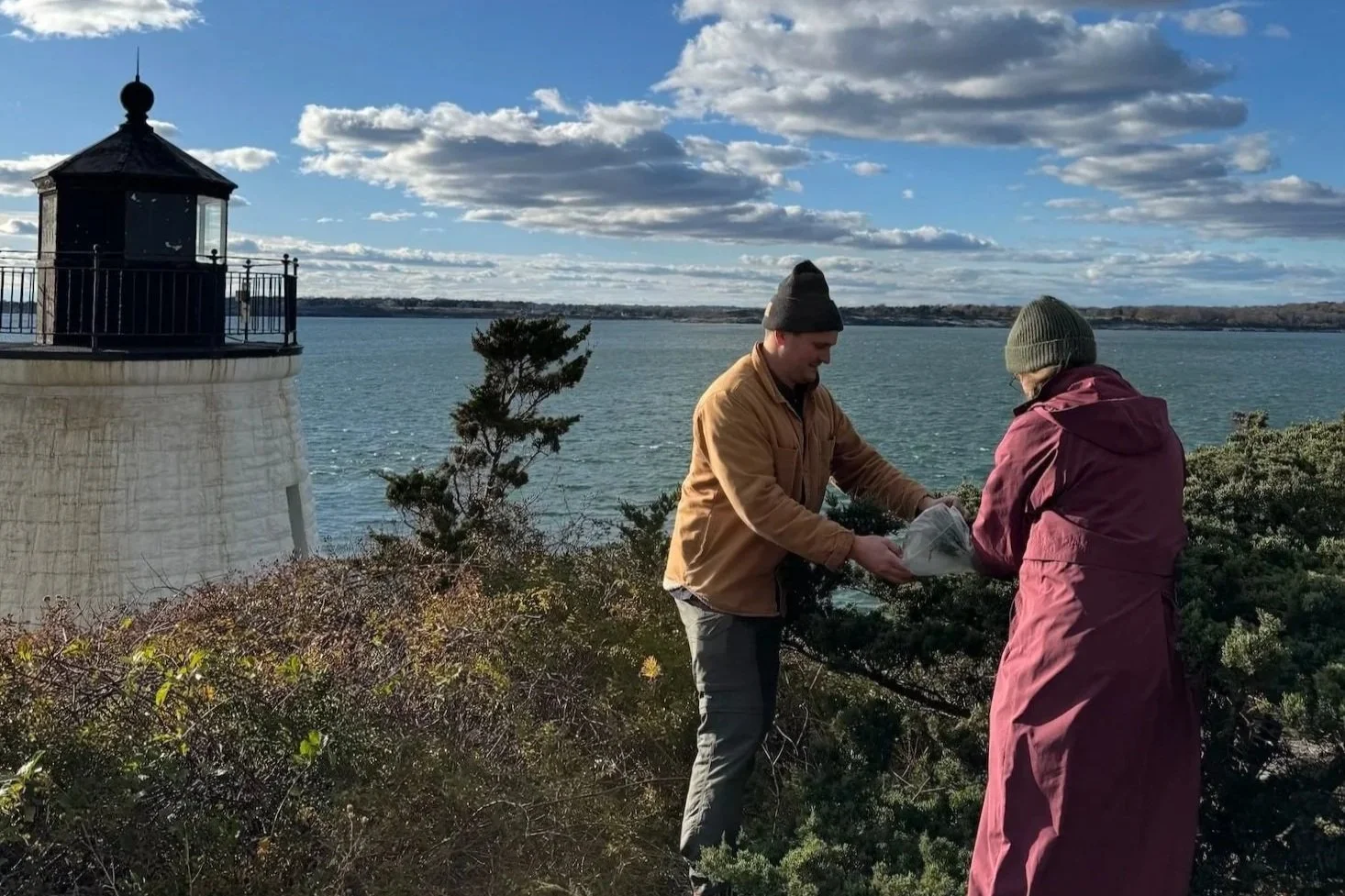
Living Collections Manager Joe Verstandig and Plant Production Manager Morgan Palmer collecting eastern red cedar (Juniperus virginiana) cones
With autumn waning and the frosts of winter knocking on our door, the time for late season seed collecting is here. When it comes to growing trees and shrubs, much of what we do as horticulturists at NTC is seasonally driven. In keeping with the natural world, the horticulture team at the Newport Tree Conservancy has, over the past year and half, begun to collect and store seeds of native trees and shrubs in Newport. The goal is to grow our own native species to be planted in our annual Miantonomi Park Reforestation Project, as well as any other locations in the future that may need restorative planting.
Collecting seed from locally growing populations of our native trees and shrubs allows for the production of a plant with a genetic makeup that has allowed it to be successful in the conditions in which it is found. Local ecotype is the term applied to this process. Ecotypes are genetic pools of a given species that has grown and adapted to a given location for many generations. For example, the genetics of a red maple (Acer rubrum) population in Newport will not be dissimilar enough from a population in Jackson, New Hampshire to be a different species, though there may be adaptations within each group that make them better suited to withstand saltwater wind versus heavy snow fall. While a true plant ecotype will have notable, regional distinctions, as far as native seed collecting goes, we make the assumption that seed collected in a given location will ultimately grow better in that location than somewhere else. Though planting a tree grown from stock outside of Newport does not necessarily mean it won’t survive and be happy here, it does run the chance of not being as vigorous as a local ecotype, as well as the potential for it to bring in a different set of genetics that might water down the local ecotypes’ offspring. However, in some conservation efforts, this can be a boon as well, giving an isolated and inbred population of plants a better chance at survival into the future. All aspects of ecotypes and sourcing should be taken into consideration, but at the end of the day, planting a tree native to the area where there was not one before is beneficial, no matter the origin, but given the opportunity and resources, we want to grow what will do the best here on Aquidneck Island into the future.
For this purpose, we are searching for native trees and shrubs in Newport that have retained that genetic information, those characteristics that have made them successful in such a specific part of the world. We are not, however, opposed to collecting seed from Aquidneck Island on the whole, or even sneaking over the bridge to Tiverton and Little Compton to remain in the confines of Newport County. As long as the seed is good, the population is healthy, and there is limited potential for crossbreeding with foreign species or native cultivars, the seed is taken into consideration for collection and will be far closer ecologically than anything imported from a different state.
As is the case with most aspects of the natural world, there is no one way of producing and spreading life; seed dispersal is no different. Berries are meant to get ripe and tasty in conjunction with their seed being mostly or fully developed, becoming an enticing meal that then gets deposited in a new location once digestion has occurred. Nuts contain their nutrients within the embryo of the seed, making their hard outer shell necessary to protect them from the elements and hungry critters. Their successful transportation relies on the shell protecting them long enough to nestle into the ground where they fall, be swept away by moving water, or to be carried off and stored by a forgetful animal. Dispersal by wind, exemplified in the ever- entertaining helicopters of maple samaras, allow a tree to drop its seed where its stands and have the wind hopefully blow its progeny far enough away that it will not grow in its shade. At the end of the day, that is the goal of a trees seed, find suitable earth, and often that means getting out from under the shadow of its parent. These are just a few of the major ways that seeds set off to find their own home, but there are many others that fit into different niches of a natural environment that different trees have discovered success in.
Why is it important to understand a seed’s preferred dispersal method for collecting it? It is to know thine enemy. Collecting this seed for our well-intentioned human purposes means beating the elements and animals to it. Thanks to millions of years of coevolution, seeds are typically their most mature and ready for harvest when the fruit is also at its most delicious and nutritious. Using resources, such as Kock’s Growing Trees from Seed, Dirr’s Manuel of Woody Landscape Plants, or Cultivation Notes from the Rhode Island Wild Plant Society, can help determine when the right moment to harvest a particular seed might be, as each species is different. Once a general understanding is gained of what to look for, having a location in mind for collecting helps get the timing right, providing a spot to check in on and see how the seed is progressing.
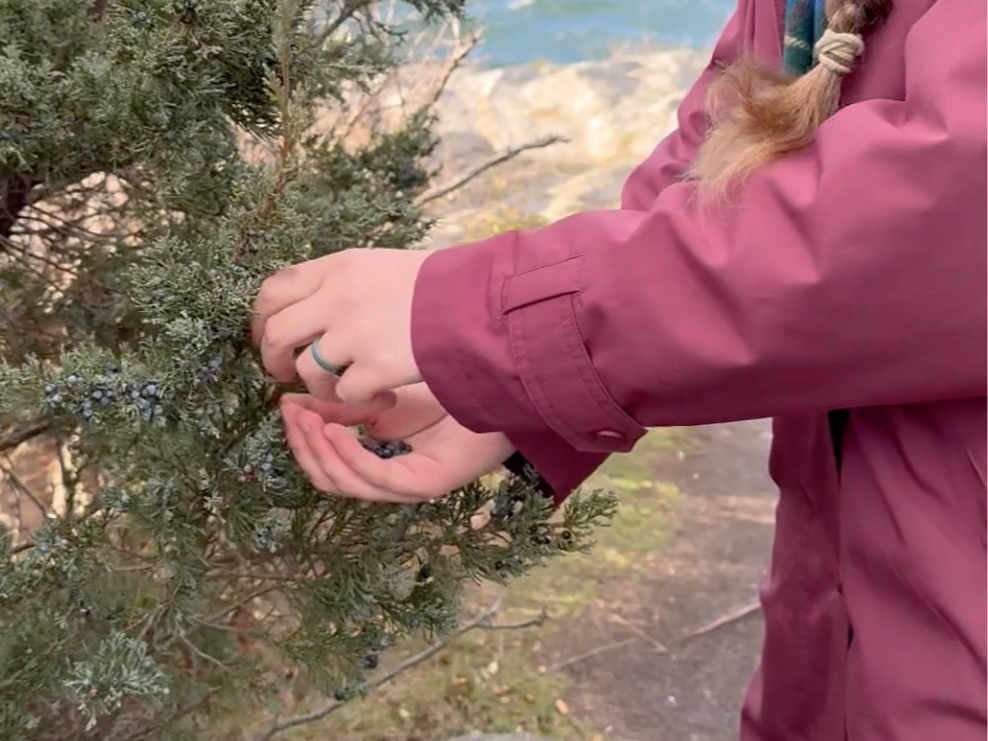
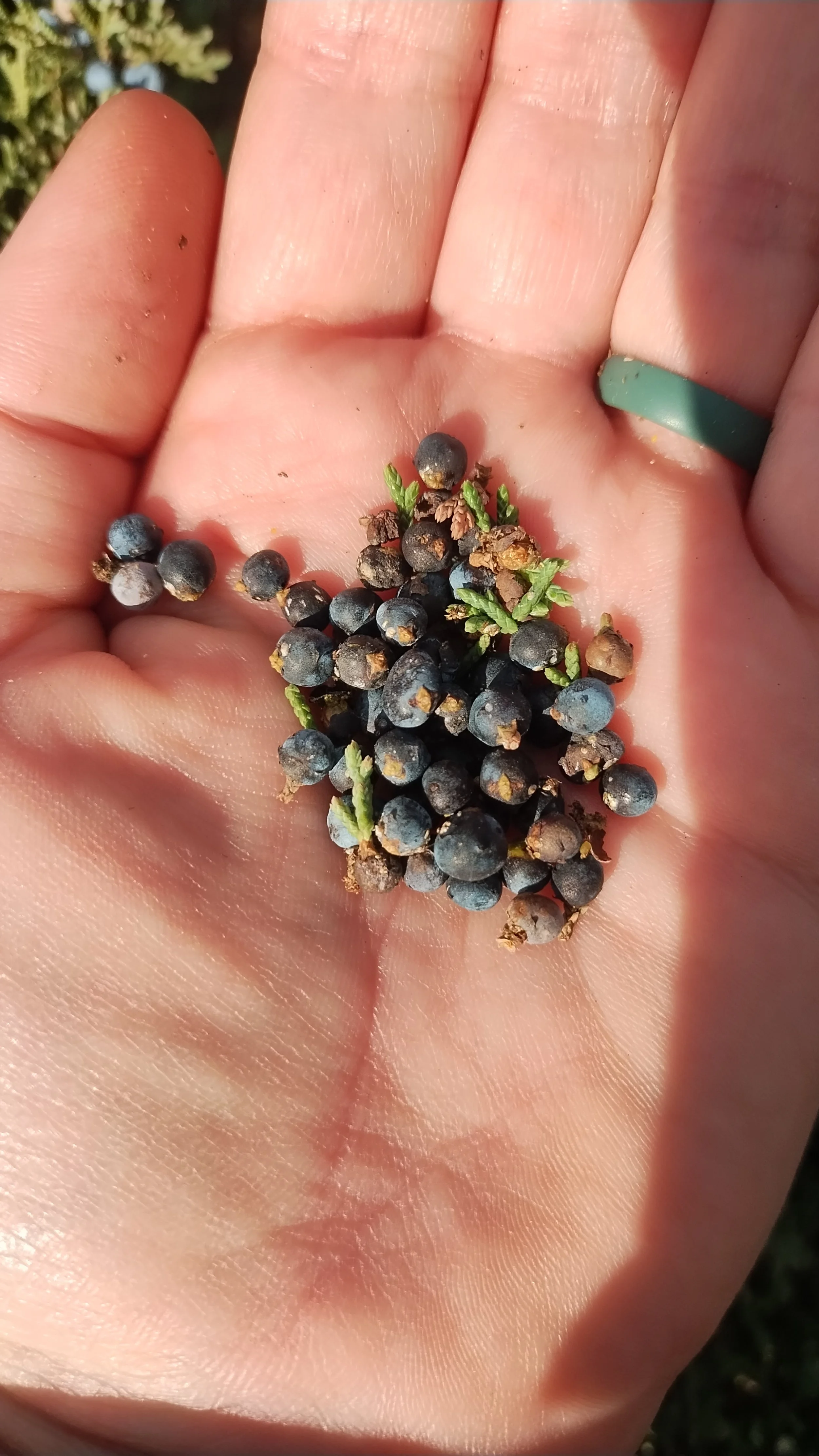
Finding a healthy population is key. This can be a park, an open space, undisturbed seaside, or even the mighty drainage ditch on the side of the road that is so often home to a plethora of native species if you know what to look for as you drive by. Look for a location with good diversity within the species that is also far away enough to not be hybridizing with any cultivars or ornamentals in the vicinity, a difficult task in the horticulturally historic landscape of Newport. An example of this is the eastern red cedar (Juniperus virginiana) trees at Castle Hill Lighthouse. Walking through them, you see a healthy mix of male and female plants, along with genetic variation in their shape, form, color, and berry loads. A good-sized population means that not only are the plants happy in their environment but are also more likely to contain healthier genetics than an isolated population of just a few trees (However, a small population like that should not be discounted when it is of a species that is dwindling in a given location or has already become rare, but if this is the case, the seed should not be collected unless part of specific conservation efforts). Once you have sited your locations, make sure to gather any permissions you might need to go onto that land and collect.
The day of collection is always the most exciting, the time put into research, scouting, and timing literally bearing fruit. Come prepared with containers and labels so seed and source do not get mixed up or lost to moments of confidence, “I’ll remember which bag of winterberry is from Ballard Park and Ocean Ave when we get back to the office” is hubris. Another important rule of thumb is to only take what seed you need, and no more than 10% of what is available. This restraint is part of ethical gathering and allows there to be enough for the animals that rely on the food source, as well as the trees to maintain their chances of having their seed take root in their natural settings. It also doesn’t hurt to go back to the same spot a couple of times to make sure seed at its most ripe has been collected, again sticking to the guidelines above.
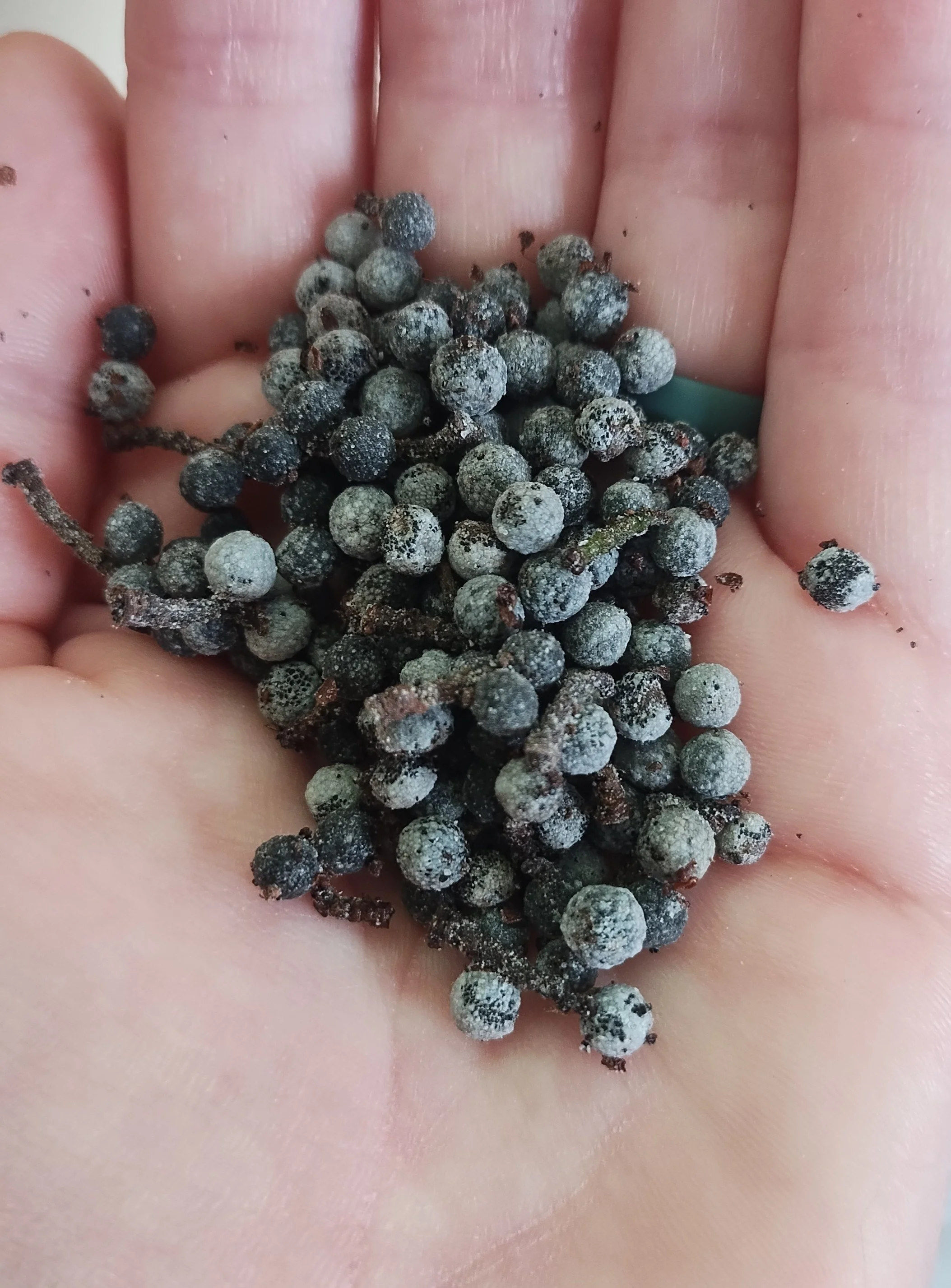
Once collected, fruits can be stored in the fridge, but should be cleaned relatively quickly. There is information and advice on individual seed cleaning and storing in the resources listed above, but generally, the flesh and any waxy coatings that may remain should be removed without causing damage to the seed within. Other seed types, such as capsules, should be emptied of their seed when they mature and dry enough to dehisce, or crack open, and release the seed on their own. Having them contained in a bag or jar allows for the containment of the seed through this process. Our native witch hazel (Hamamelis virginiana) is a fun example of a dehiscent capsule with built in seed acceleration. Collect the capsules when large, brown, and dry, but before they crack open, then place them in a jar with a breathable lid on a sunny windowsill and wait. After a few hours or days, you might get to hear the plink of seed hitting glass. The specialized internal structure of the witch hazel capsule is designed to launch the seed, at speed, away from its parent plant. This mechanism goes back to knowing how your collected seed wants to be distributed, if you left the witch hazel capsules out on a table, you could come back to empty casings with small seeds sent out to find purchase in carpet fibers and tucked under appliances.
Once seed is separated from its transportation vessel, it can be placed in storage in the refrigerator, no special settings, they can sit alongside the condiments in the door. There are, of course, variations in the need for moisture to maintain viability, but most can be stored dry, in an airtight container. Many can be stored for several years, though germination rate may decrease with time. Others may have a shorter viability period, making sowing sooner than later vital to success. Each tree has its own adaptations, each seed following in those footprints to find their niche and grow into the next generation. Collecting seed provides a lovely little window of insight into the life cycle of these magnificent and long-lived organisms, with each seed that you work to sprout having the potential of living far beyond our lifetime.
Despite its reputation as the season of death and decay, a notion not helped by the presence of Halloween in its midst, I have come to see fall as a season of life. Not in such a traditional way as we see spring, with the first emergence of fresh green leaves from dormancy, and the ecstatic activity of migratory birds returning to freshly thawed earth. Autumn is the season of potential energy. Like a pendulum at the peak of its swing, in its momentary instance of still, fall is the bearer of energy waiting to propel us into spring. Life-sustaining tree sap slows, awaiting the signals of equinoctial change to propel new growth into the longer days. Leaves fall to the ground and gather in expectant piles, shrinking with an elemental, biological, and mycorrhizal feast processing them into loam. And most importantly, fruit ripens, nuts fall, and seed matures. Now they wait, tucked away in our fridge, dark, quiet, and cold, just as their counterparts lay beneath leaf litter, snow, and frost cracked soil alike, waiting for their individual signals to set root and spring forth above the surface.

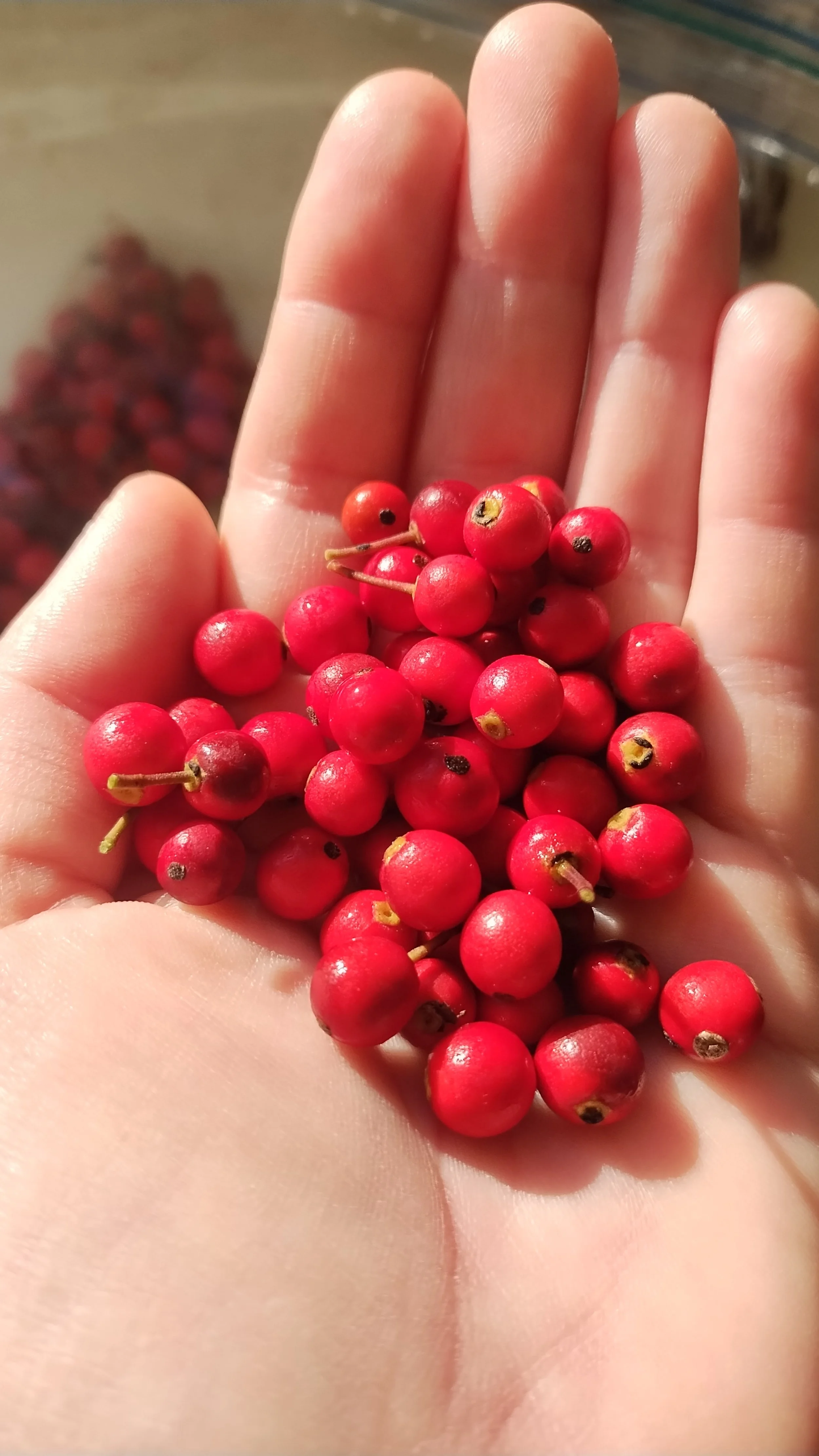
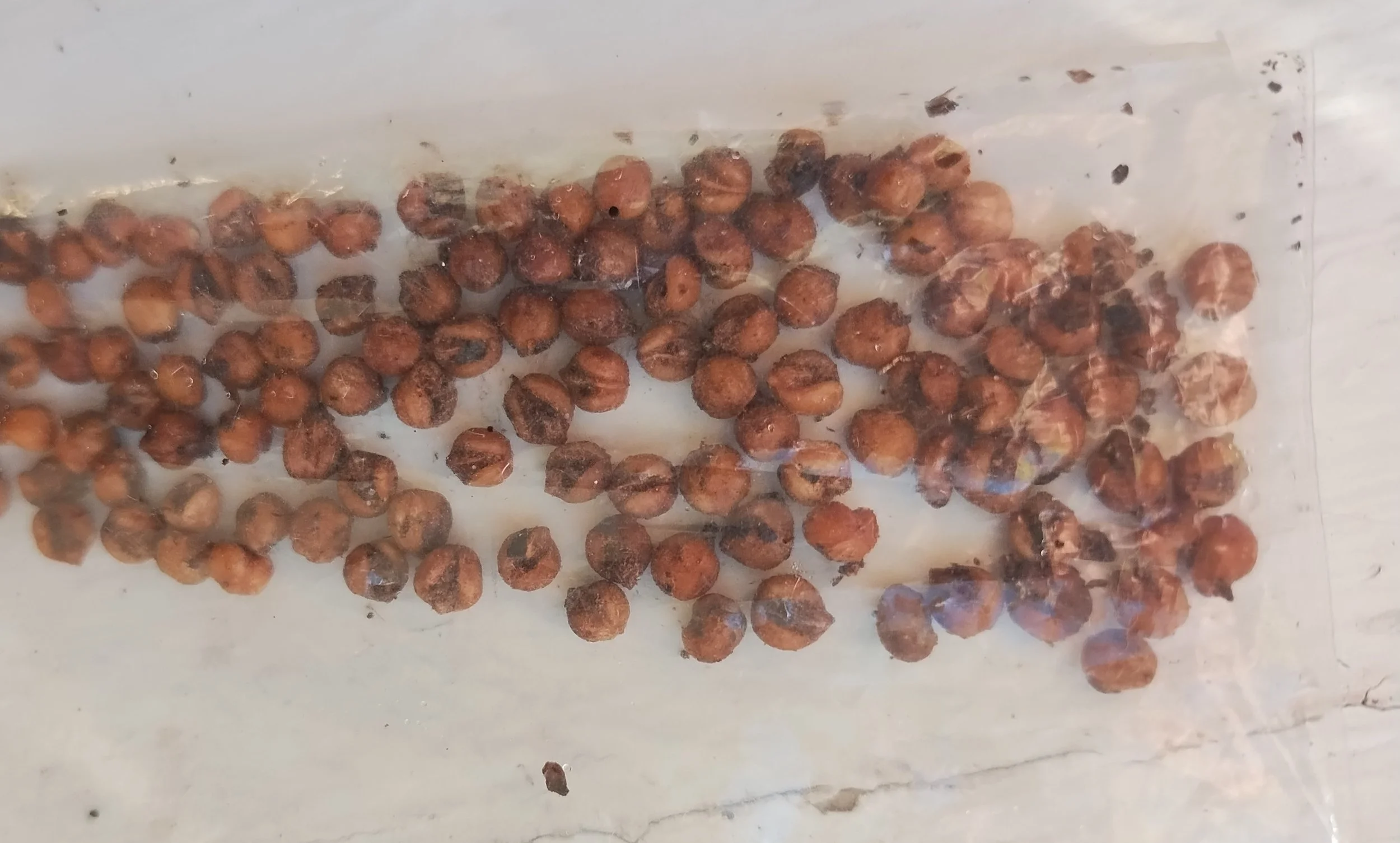
— Morgan Palmer, Plant Production Manager
Candeias, Matt (Host), Jorge, Justin (Guest). (2023, October 1). Episode 441 - Seed Acceleration [Audio Podcast Episode]. In Defense of Plants.
https://www.indefenseofplants.com/podcast/2023/10/1/ep-441-seed-acceleration
Dirr, Michael A. Manual of Woody Landscape Plants. Champaign, Stipes, 1998.
Kingsley, Shannon. “The Hype About Ecotypes.” Rhode Island Wild Plant Society, 15 Sept.
2023, riwps.org/rwips-blog/cultivation/the-hype-about-ecotypes/.
Kock, Henry, et al. Growing Trees from Seed: A Practical Guide to Growing Native Trees, Vinesand Shrubs. Richmond Hill, Ontario, Firefly Books, 2016.
RIWPS. “Reseeding RI - Seed Collecting.” Rhode Island Wild Plant Society, 21 Nov. 2024,
riwps.org/reseedingri-seed-collecting/.
Bragg, Russ, et al. Rhode Island Wild Plant Society Cultivation Notes 2023-2024 Edition.
RIWPS. 2024.